Session: The long-term trajectories of the socio-ecosystems: past dynamics and modern legacies
Title: Identifying, characterizing and managing future forest refugia in European mountain ecosystems
Cécile C. Remy, Dominik Thom, Damien Rius, Wolfgang Buermann, Laurent Millet & Rupert Seidl
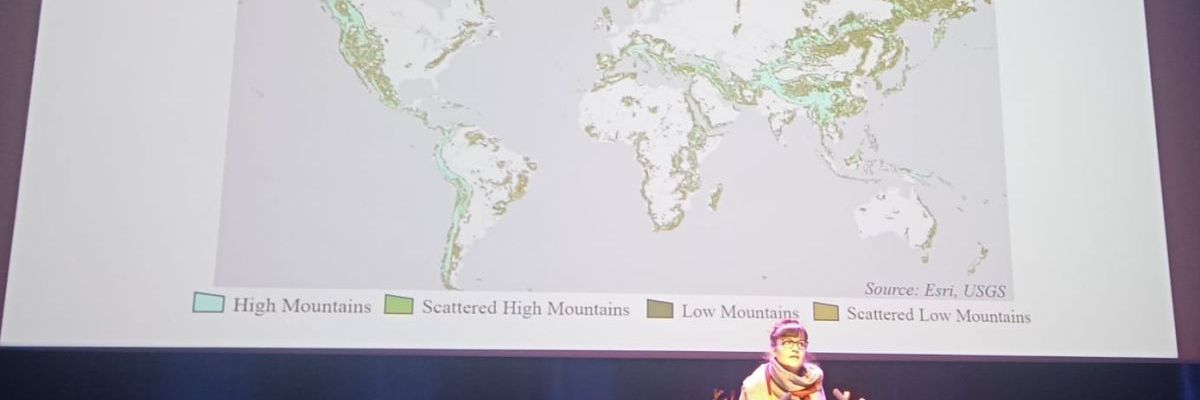
Mountain forest ecosystems provide multiple ecological services on a global scale but are today threatened by climate change and increasingly frequent and severe disturbances. Providing concrete tools to help conserve these ecosystems is now becoming a major challenge. In the context of ongoing climate change, forest refugia (i.e. isolated populations that may persist in restricted areas outside of their contracted range) may play a fundamental role to sustain long-term communities viability, minimizing the potential deleterious species interactions and avoiding regional species extinctions However, the spatial heterogeneity and the complexity of interactions in these mountain ecosystems severely restrict our ability to anticipate the future of mountain forests and to identify potential future forest refugia.
To provide tools for the conservation of these future forest refugia, three challenges must then be addressed: 1) a better understanding the migration/expansion/retreat mechanisms of tree species and communities, 2) improving projections of vegetation and disturbances dynamics in these complex environments, 3) creating management strategies that integrate the different socio-economic and ecological challenges of our century. We chose Berchtesgaden National Park in Germany as a pilot study area to carry out our study.
In our project, we propose a multidisciplinary approach to study the interactions between climate change, disturbance regimes and vegetation in the past through palaeoecological analyzes and in the future through simulations using the individual-based iLand model of forest landscape dynamics. These two complementary approaches will highlight the environmental changes leading to reduced resilience and potential tipping points and ultimately create forest management scenarios allowing the maintenance of future forest refugia and associated habitats and services.
 Cécile C. REMY